After 13 years in manufacturing and import/export, I can tell you the most expensive part of a shipment is rarely the freight bill. It’s the phone call that says your goods arrived damaged.
I’ve had that call more times than I’d like to admit. Each one meant stress, lost sleep, delayed customers and money I never saw again. Almost every time, the cause was the same: a weak crate or cardboard packaging that couldn’t survive a forklift. That’s why I believe good shipping crates are the most important and most overlooked part of any shipment.
The real cost of damaged freight
When goods arrive damaged, the loss on the invoice is only the beginning. You also pay for:
- Replacement or repair of the product
- Re-shipping, often at rush rates
- Missed deadlines and unhappy customers
- Staff time spent on paperwork, photos and phone calls
- Damage to your reputation with the people who depend on you
Then comes the claim process, and this is where many shippers get a hard lesson. Carriers typically limit their liability by weight rather than by the value of your goods. In my experience, that works out to about $2.00 per pound. For precision equipment, machinery, glass, electronics or finished products, that is a small fraction of what the damage actually costs you.
Insurance sounds like the safety net, but it can be just as frustrating. Policies are full of conditions, and claims are often disputed or denied unless the packaging, documentation and handling evidence line up perfectly. Insurers and carriers will sometimes point to “unavoidable” causes when the real evidence, like fork marks and punctures on the outside of the crate, tells a different story.
I’m not saying everyone is acting in bad faith. I’m saying that when something goes wrong, you can’t count on anyone else to make you whole. The only protection you fully control is the one you build around the product before it leaves your dock.
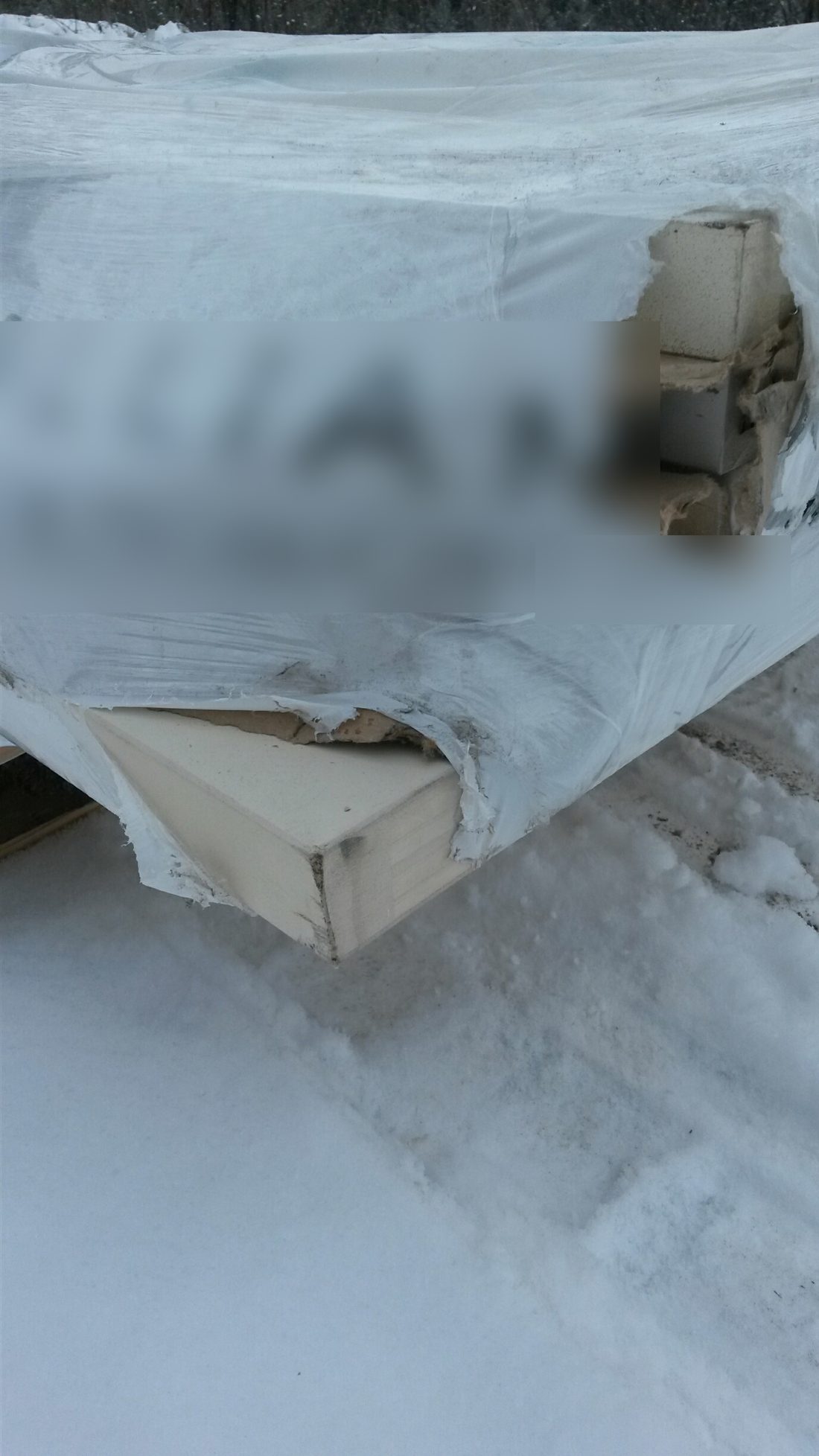
This is a photo of a pallet I received. The stretch wrap was torn open, the product was exposed, and snow was getting in. Wrap like this gives a false sense of security. The moment a forklift tine hits it, there is nothing left between your product and the damage.
Why cardboard packaging fails
Cardboard is fine for light, low-risk items on a short trip. Freight is a different world. Pallets are lifted, dropped, stacked, strapped, slid and bumped through several hands, trucks, terminals and warehouses. Cardboard fails in predictable ways:
- It crushes under stacking. A box that survives alone on the floor won’t survive a pallet stacked on top of it.
- It punctures. Forklift tines go straight through corrugated walls.
- It absorbs moisture. Humidity, rain or condensation weakens it quickly.
- It hides damage. A box can look fine on the outside while the contents are broken.
Weak, undersized or poorly built wooden crates fail in similar ways. A crate made of thin boards with too few fasteners can split at the first hard lift. A good crate is engineered, not just assembled.
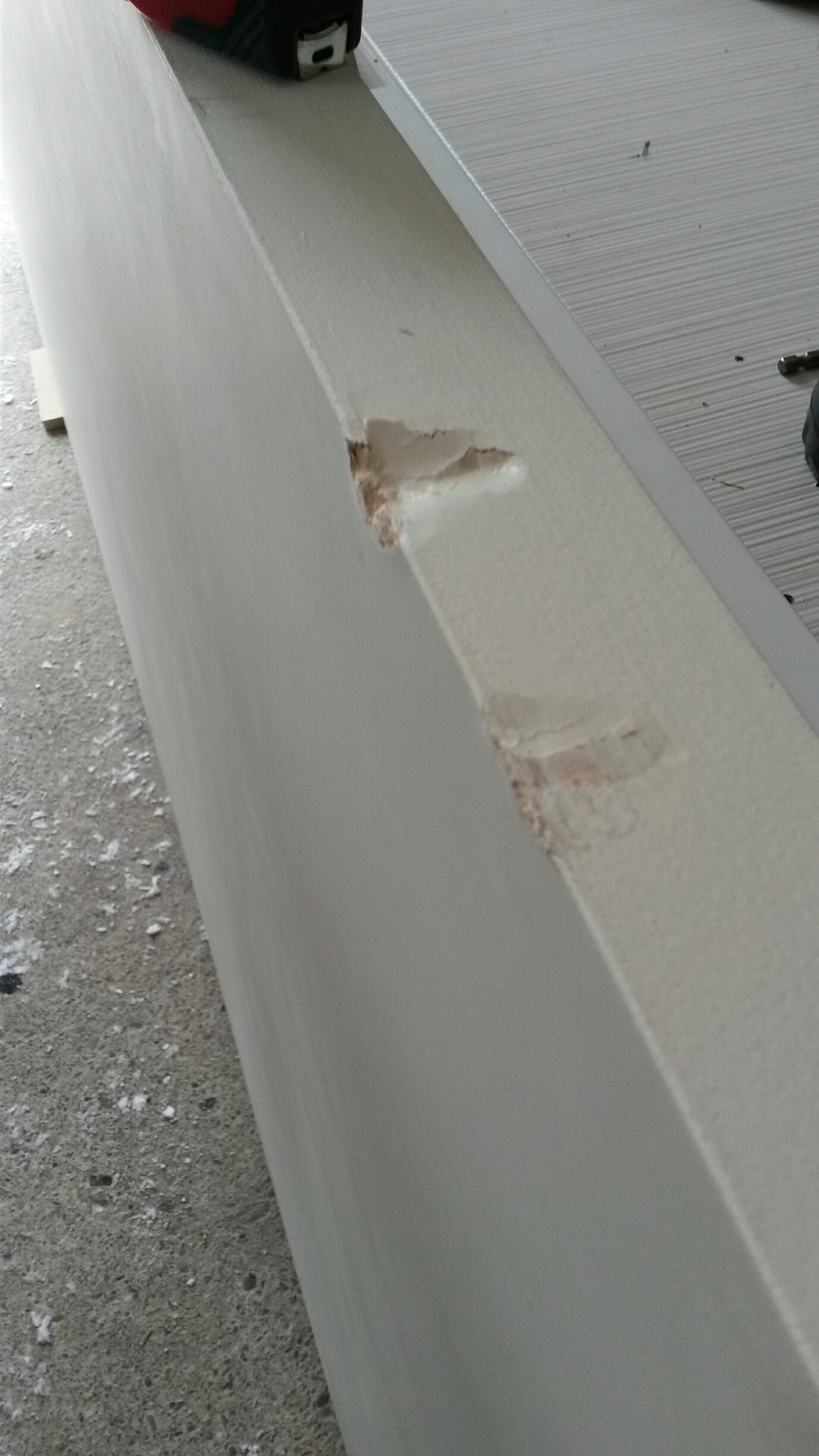
This is another shipment that arrived at my door. The edge was gouged and chipped, and the product was ruined. One hard knock on an unprotected edge is all it takes. A proper wooden crate takes that hit so your product doesn’t.
What makes a good shipping crate
Quality shipping crates are built around the product, not the other way around. The details matter:
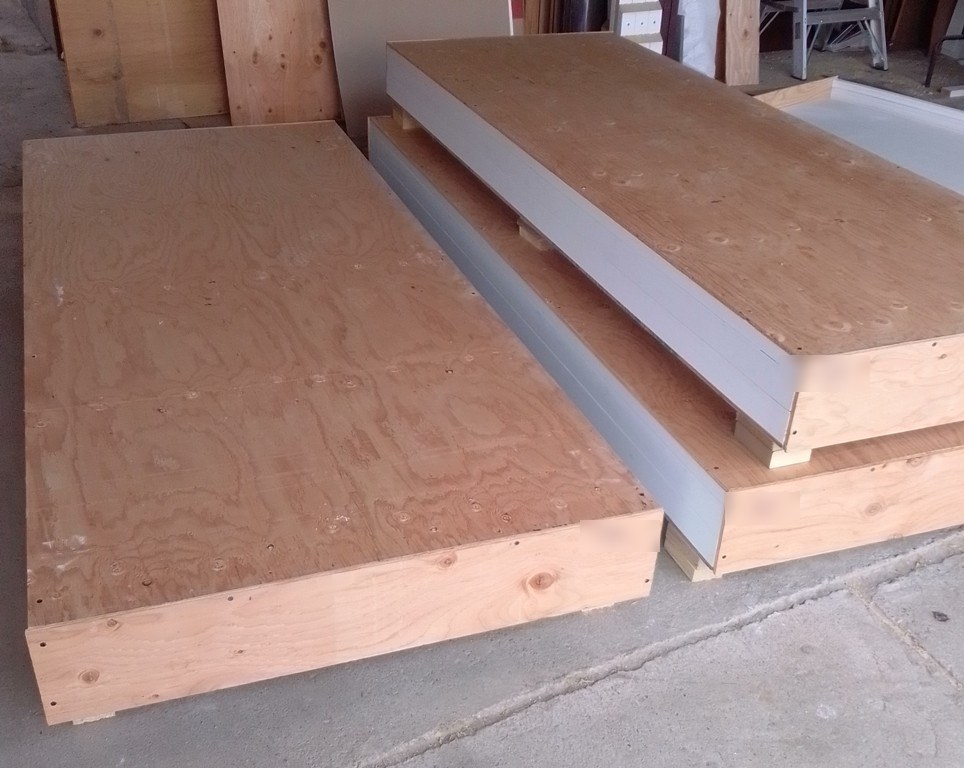
This is what proper crating looks like. These are crates I’ve built myself: solid lumber framing, a full plywood top, and blocking underneath so a forklift lifts the structure, not the product. After 13 years of seeing what weak packaging does, this is the standard I ship to.
Proper sizing. A crate that is too big lets the product shift. One that is too small puts stress on the contents. Custom shipping crates are built to the exact dimensions of your goods, with room for cushioning and bracing.
Strong materials. Kiln-dried lumber and plywood give strength without excessive weight. Heavier loads need heavier framing, skids and corner reinforcement.
Forklift-friendly design. A well-built crate has a solid base or skids sized for forklift and pallet jack entry from the correct sides, so tines meet structure and not the product.
Internal blocking and bracing. Even the best outer shell fails if the product can move inside. Foam, blocking, tie-downs and bracing keep everything fixed in place.
Moisture protection. For long trips or sea freight, moisture barrier wrap or vapour barrier bags protect against corrosion, mould and water damage.
Compliance for export. International shipments typically require wood packaging that meets ISPM-15 standards (heat-treated and marked). A crate that doesn’t comply can be held, returned or destroyed at the border, which is a costly delay you can avoid by ordering the right crate from the start.
Standard crates or custom crates?
Standard-size wooden shipping crates are a smart, economical choice for common product sizes and repeat shipments. They’re quick to source and easy to budget. You can see our standard sizes and pricing here.
Custom wooden crates make sense when your product is unusual, heavy, fragile, high-value or oddly shaped. Machinery, equipment, glass, furniture, artwork, tools and manufactured components all benefit from a crate designed for their specific weak points. The extra cost is small compared with a single damaged shipment.
A simple rule I use: if losing the product would hurt, it deserves a proper crate.
Crating pays for itself
Let’s put numbers to it. Suppose a good crate adds a few hundred dollars to a shipment of equipment worth $15,000. If that crate prevents one damaged delivery, it has paid for itself many times over. Now think about all your shipments over a year or a decade. Even a modest drop in damage rates adds up to thousands of dollars saved, plus the time, stress and customer goodwill you keep.
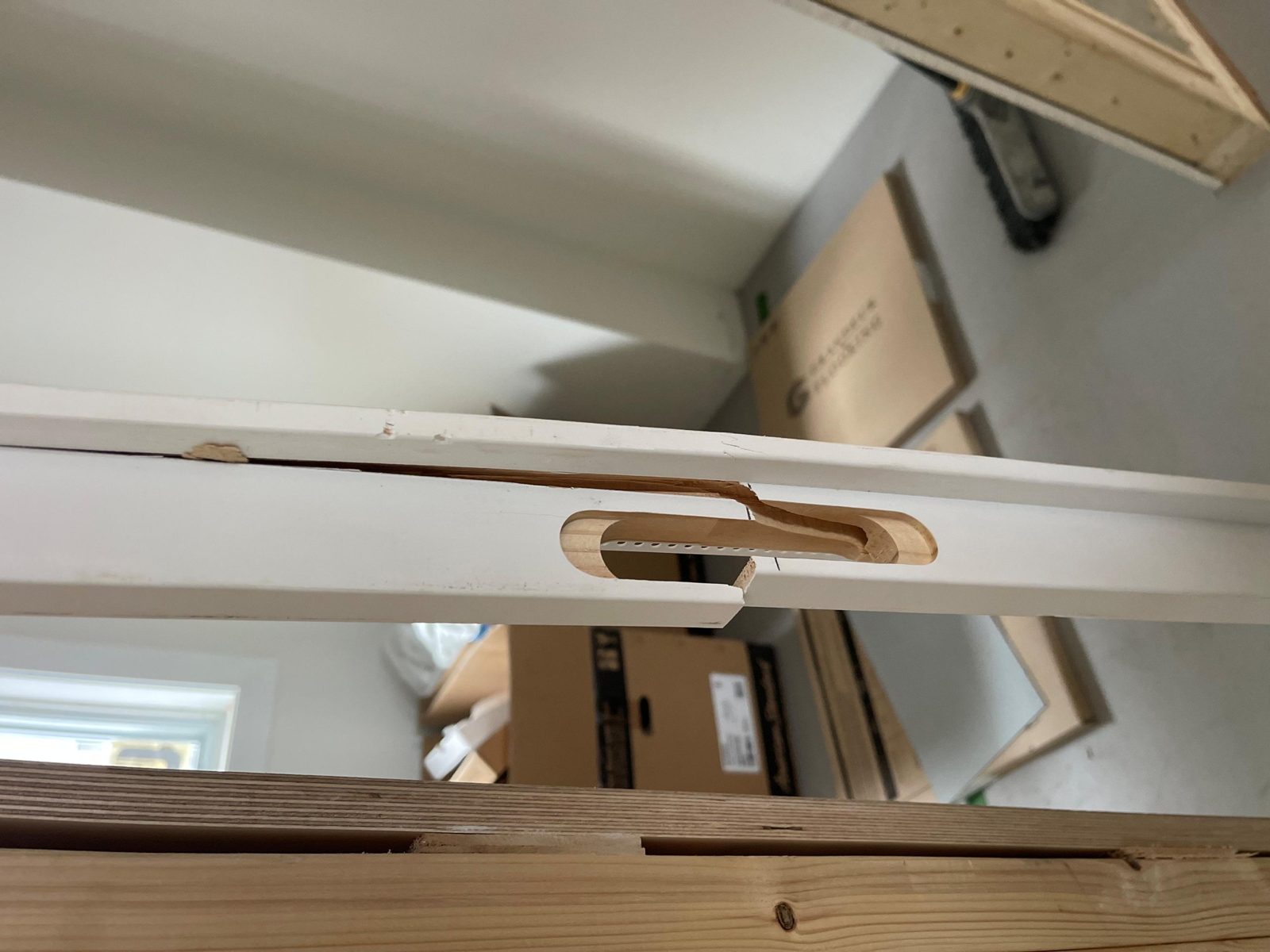
This is one of my own damaged shipments. The frame arrived cracked and split. A damage like this means a replacement, a re-ship, weeks of delay and a long conversation with the carrier. A sturdy crate would have cost a fraction of that.
There’s also a documentation benefit. A sturdy crate that arrives with obvious external damage makes a freight claim far easier to support, because the evidence is on the wood. Cardboard that arrives crushed leaves much more room for argument.
Peace of mind is the real return
This is the part no spreadsheet captures. When you know your goods are in a solid crate, built properly and braced inside, you stop dreading the tracking page. You stop imagining the worst when the truck is late. You sleep.
I spent years losing sleep over shipments I couldn’t control. The one thing I could control was the packaging, and once I took it seriously, the stress went away. That’s the real return on a good crate.
Tips before you ship
- Match the crate strength to the weight, value and route of your shipment.
- Brace the product inside so it cannot shift in any direction.
- Mark the crate clearly with handling labels and lifting points.
- Photograph the packed crate before it leaves your facility.
- Use compliant, heat-treated wood for international shipping.
- Don’t let the carrier’s liability limit decide how much protection your goods get.
Shipping crates for Vancouver, BC and Canada
Whether you ship across Vancouver, across British Columbia, across Canada or around the world, your packaging is the first and last line of defence. Carriers will handle your freight roughly, claims will be slow, and coverage will rarely match your real loss.
Freight leaving Vancouver and BC faces more handling than most. Goods often move through the Port of Vancouver, cross-dock terminals, rail yards and several truck transfers before they arrive. Shipments heading to Vancouver Island add a ferry crossing, and loads bound for the Interior, the North or the Prairies travel over mountain highways in all weather. Every transfer is another forklift lift, and every kilometre is more vibration, so strong shipping crates matter on BC routes whether you’re shipping across the province or overseas.
A strong, well-designed shipping crate is the one protection that works every time, before anything goes wrong.
Protect your freight with the right shipping crates
At Pacific Crate, we build standard and custom wooden shipping crates designed to survive real-world freight handling, from local Vancouver deliveries to province-wide and international routes. Email info@shippingcrates.ca or call 208-905-4960 for a quote and ship with confidence, knowing your goods, your money and your peace of mind are protected.